
Photographing Migrant Songbirds
Photographing migrant songbirds simply by taking a walk in the woods is a huge challenge. The birds are small and fast and rarely sit on a clean perch for more than a second or two. Using audio playback or attracting the birds to a water feature designed specifically for bird photography can make things a lot easier. Warbler photography is so difficult that I totally gave up on it two decades ago! I am glad that I went to Texas this spring to take up the challenge again and plan on doing so again next spring.
My Call
Thanks to the many folks who left a comment at the last blog post. My favorite image was the spiffy Rockhopper Penguin.
Your Call?
Which two of today’s seven featured songbird images do you feel are the strongest? I will share my two favorites with you in the next post.
What’s Up?
For the most part, the weather for bird photography here on Long Island has been consistently terrible with NW winds in the sunny mornings (bad) and strong SE winds on sunny afternoons (terrible). Though my incision is healing perfectly and the tendon in my ring finger is calming down a bit more each day, I had been staying in until Monday afternoon. Despite the sunny/E wind forecast, I paid a short visit to Nickerson on the way to pick up my younger daughter Alissa and husband Ajiniyaz at JFK at the conclusion of their vacation in Spain. As expected, bird photography was terrible to impossible with the wind against sun conditions. My best images were made with my cell phone of oystercatcher footprints in the windblown dunes.
The forecast for Tuesday afternoon was much better — sunny with a northwest breeze switching to SSW. When I arrived, however, there was a pretty strong wind from the north with just a touch of east. After two hours the wind did switch to the NW but only for about two minutes. Then it was back to north. When the light got really nice, the wind died and the no-see-ums arrived in force. I headed home just before sunset at about 7:45pm. Despite the less than ideal conditions I created 2568 as yet un-culled images. As always, I am hoping for at least one good one (but I would not bet on that).
Today is Wednesday 3 June 2026. I am taking it easy. Whatever you opt to do, I hope that you too choose to have fun and enjoy life. Please remember that happiness is a choice — Byron Katie, The Work.Com Good luck tonight to the New York Knicks in Game 1 of the NBA Championship against the San Antonio Spurs with their French superstar 7′ 4″(at least) Victor Wembanyama. I am rooting for the Knicks, but am picking the Spurs to win in five games at most. In addition to their very young center, they simply have too many great young players who are amazingly athletic, play stifling defense, and can shoot the light out. I hope that I am wrong and that the Knicks at least make it an interesting series.
If an item — a Delkin flash card or reader, a Levered-clamp FlexShooter Pro, or a Wimberley lens plate or low foot — for example, that is available from B&H and/or Bedfords, is also available in the BAA Online Store, it would be great, and greatly appreciated, if you would opt to purchase from us. We will match or beat any price. Please remember also to use my B&H affiliate links or to earn 3% cash back at Bedford by using the BIRDSASART discount code at checkout for your major gear purchases. Doing either often earns you free guides and/or discounts. And always earns my great appreciation.
Gear Questions and Advice
Too many folks attending BAA IPTs and dozens of photographers whom I see in the field and on BirdPhotographer’s.Net, are — out of ignorance — using the wrong gear, especially when it comes to tripods and more especially, tripod heads. And the same is true in spades when ordering new camera bodies or lenses. My advice will often save you some serious money and may help you avoid making a seriously bad choice. Please know that I am always glad to answer your gear questions via e-mail. If you are desperate, you can try me on my cell at 863-221-2372. Please leave a message and shoot me a text if I do not pick up.
|
|
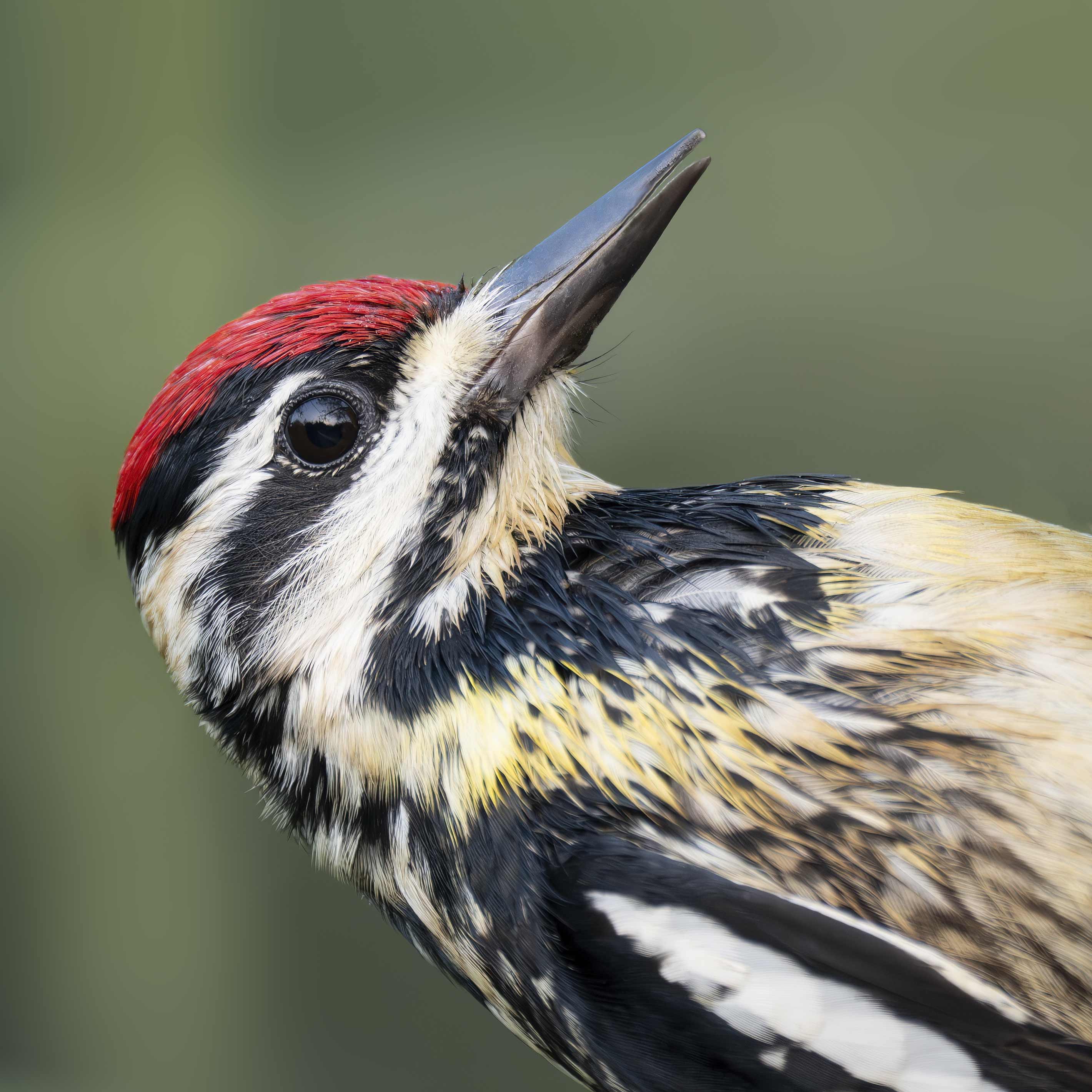
This image was created on 24 April at the Sheepshead Preserve on South Padre Island Convention Center. Standing at full height,I used the Robus RC-5570 Vantage Series 3 Carbon Fiber Tripod/Levered-Clamp FlexShooter Pro-mounted Sony FE 600mm f/4 GM OSS lens with the Sony FE 1.4x Teleconverter, and the Latest Greatest Sony Flagship Body, the a1 II Mirrorless Camera in APS-C Crop Mode. The exposure was determined via Zebras with ISO on the Thumb Wheel. ISO 2500: 1/400 sec. at f/5.6 (wide open) in Manual mode. AWB at 6:08:05pm in the shade on a cloudy bright morning. Tracking: Zone/AF-C with Bird-Eye/Face Detection performed perfectly. Click on the image to enjoy a larger, inexplicably sharper high-res version. Image #1: Yellow-bellied Sapsucker tight square portrait |
Losing the Orange
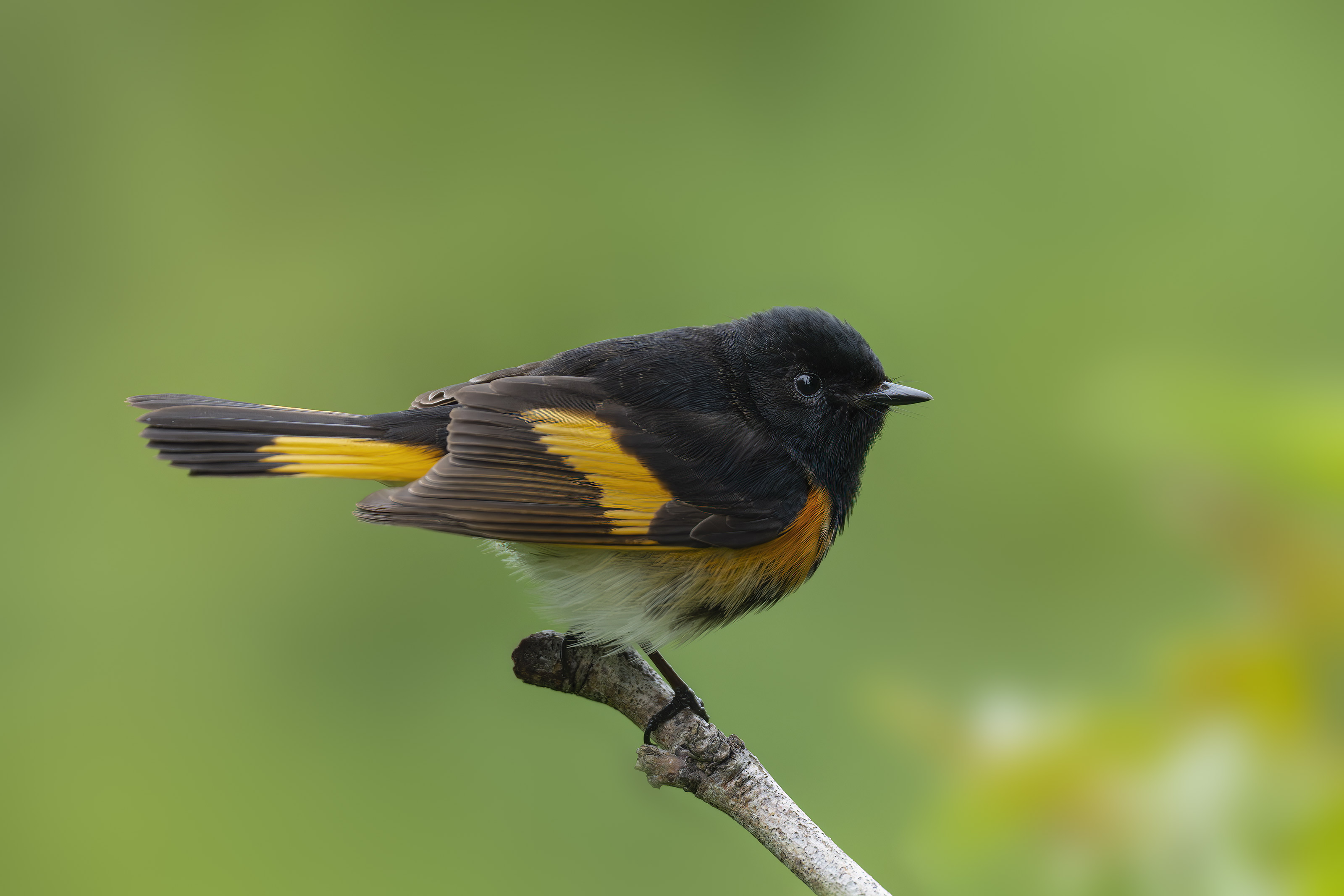
Most mornings, volunteers put out halved fresh oranges at both South Padre Island migratory songbird locations. At times it seems as if some of the birds that partake become drunk or addicted (or both) as they keep sucking on the juice while allowing close approaches. The problem is that the oranges are completely unattractive. My solution is to use APS-C crop mode and follow that up with a substantial crop.
|
|
This image was created on 2 May 2026 by yours truly at the Sheepshead Preserve on South Padre Island Convention Center. Standing at full height, I used the hand held Sony FE 300mm f/2.8 GM OSS Lens (Sony E) the Sony FE 1.4x Teleconverter (at 420mm) and the Latest Greatest Sony Flagship Body, the a1 II Mirrorless Camera in APS-C Crop Mode. Exposure determined via Zebras with ISO on the Thumb Wheel. ISO 2500: 1/1600 sec. at f/4 (wide open) in Manual mode. AWB at 11:43:29am in the shade on a cloudy bright morning. Tracking Zone/AF-C with Bird Eye/Face Detection enabled performed perfectly. Click on the image to enjoy a larger, inexplicably sharper high-res version. Image #2: American Redstart male |
A Gear Tribute to Jim Flynn
Jim Flynn was a soft-spoken Canadian bird photographer who lived near the entrance to Point Pelee National Park in Leamington, Ontario, Canada, a real gentleman. Back when we all shot film, my recollection is that he used a hand held Olympic 300mm f/2.8 lens with a 1.4X teleconverter. The short story is that his warbler and songbird images were superb. Many graced the walls and exhibits in the visitor centre and I believe that he sold more than a few photos to field guides and the like. I am fairly sure that he is gone. I called Pelee Wings and the NP visitor centre to see if there were any old-timers around who remembered him. But, I struck out. I tried an online search but again came up empty. If you or a friend has a clue, please get in touch or leave a comment.
I took me many decades to figure out that Jim was on the exact right track when it came to a lightweight hand holdable songbird rig that allows folks to be completely mobile. Those little suckers are fast and they rarely stop moving.
|
|
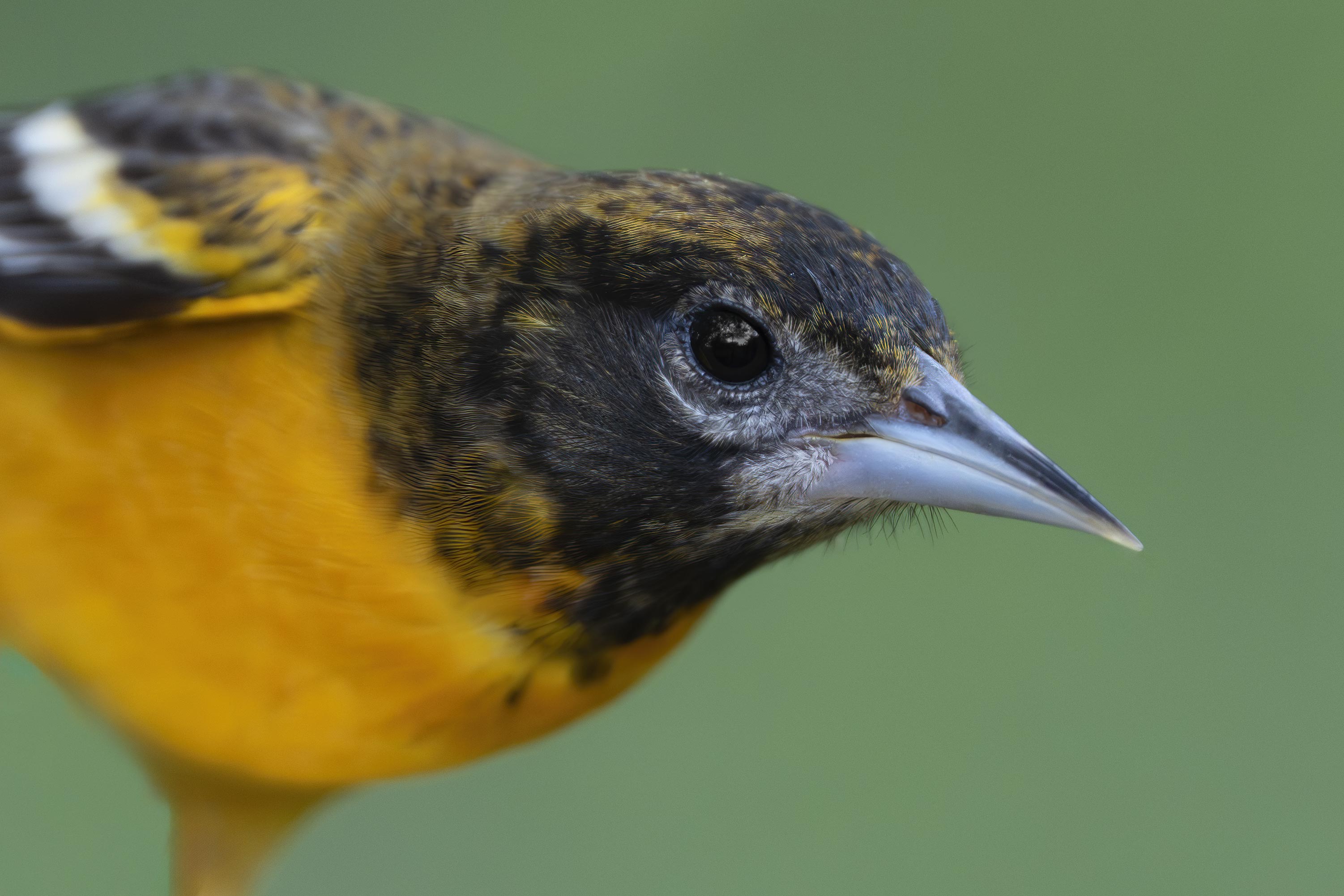
This image was also created on 2 May 2026 by yours truly at the Sheepshead Preserve on South Padre Island, TX. Standing at full height, I used the hand held Sony FE 300mm f/2.8 GM OSS Lens (Sony E) the Sony FE 1.4x Teleconverter (at 420mm) and the Latest Greatest Sony Flagship Body, the a1 II Mirrorless Camera in APS-C Crop Mode. Exposure determined via Zebras with ISO on the Thumb Wheel. ISO 2500: 1/500 sec. at f/4 (wide open) in Manual mode. AWB at 5:45:25pm on a cloudy afternoon. Tracking Zone/AF-C with Bird Eye/Face Detection enabled performed perfectly. Click on the image to enjoy a larger, inexplicably sharper high-res version. Image #3: Baltimore Oriole young male |
Another Lost Orange
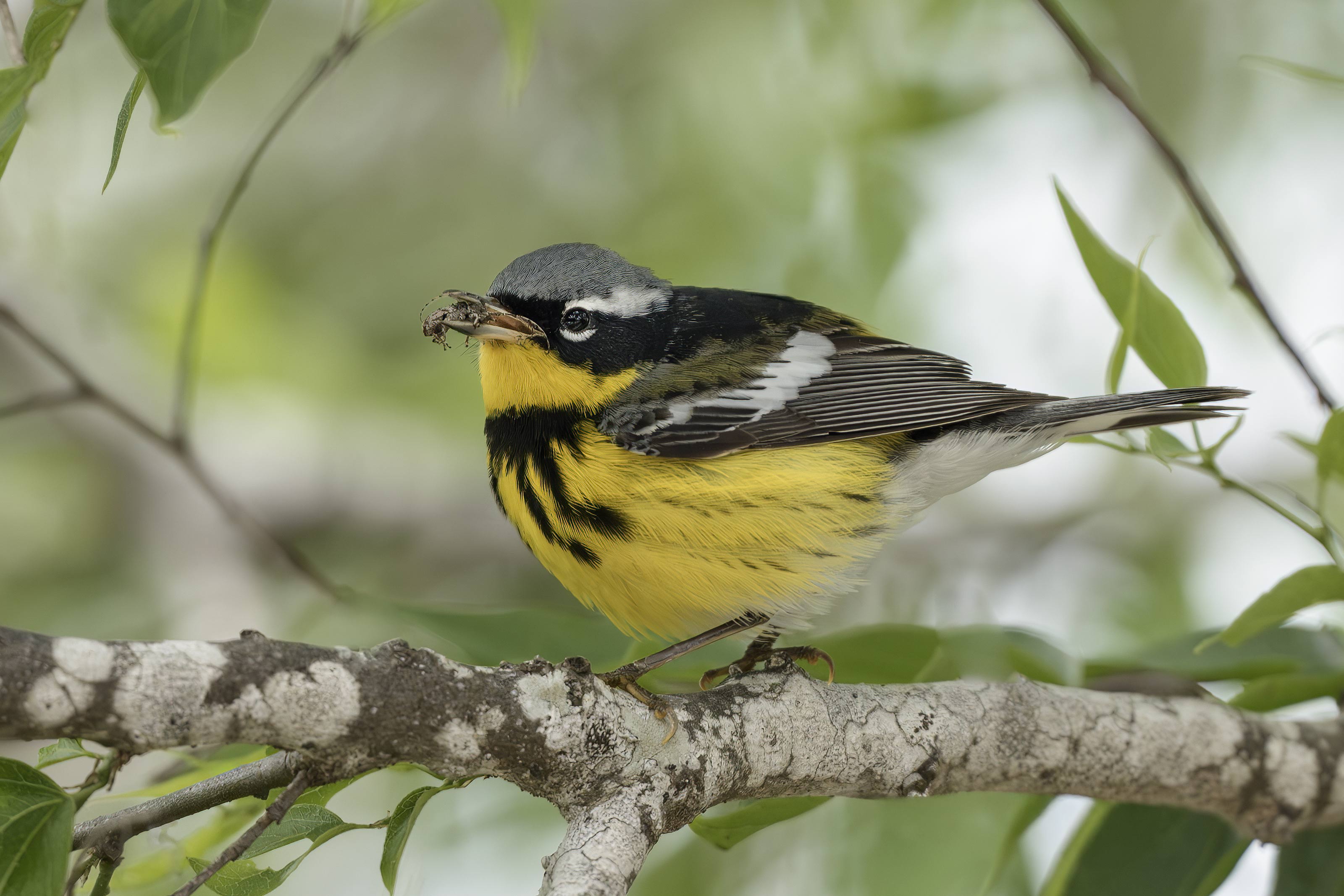
Note that at the beginning of the Texas trip I was attempting to use the tripod-mounted 600mm f/4 lens. In short order I realized that the size and weight of that rig was a hindrance when it came to doing songbirds, including those sucking on orange halves. The 300mm f/2.8GM with the 1.4X TC and APS-C crop mode turned out to be the perfect solution, just as Jim Flynn had realized so many decades ago.
|
|
This image was also created on 2 May 2026 by yours truly at the Sheepshead Preserve on South Padre Island, TX. Standing at full height, I used the hand held Sony FE 300mm f/2.8 GM OSS Lens (Sony E) the Sony FE 1.4x Teleconverter (at 420mm) and the Latest Greatest Sony Flagship Body, the a1 II Mirrorless Camera in APS-C Crop Mode. Exposure determined via Zebras with ISO on the Thumb Wheel. ISO 1600: 1/1000 sec. at f/4 (wide open) in Manual mode. AWB at 6:01:35pm on a then cloudy bright afternoon. Tracking Zone/AF-C with Bird Eye/Face Detection enabled performed perfectly. Click on the image to enjoy a larger, inexplicably sharper high-res version. Image #4: Magnolia Warbler male with longhorn beetle |
A Hungry, Stationary Bird
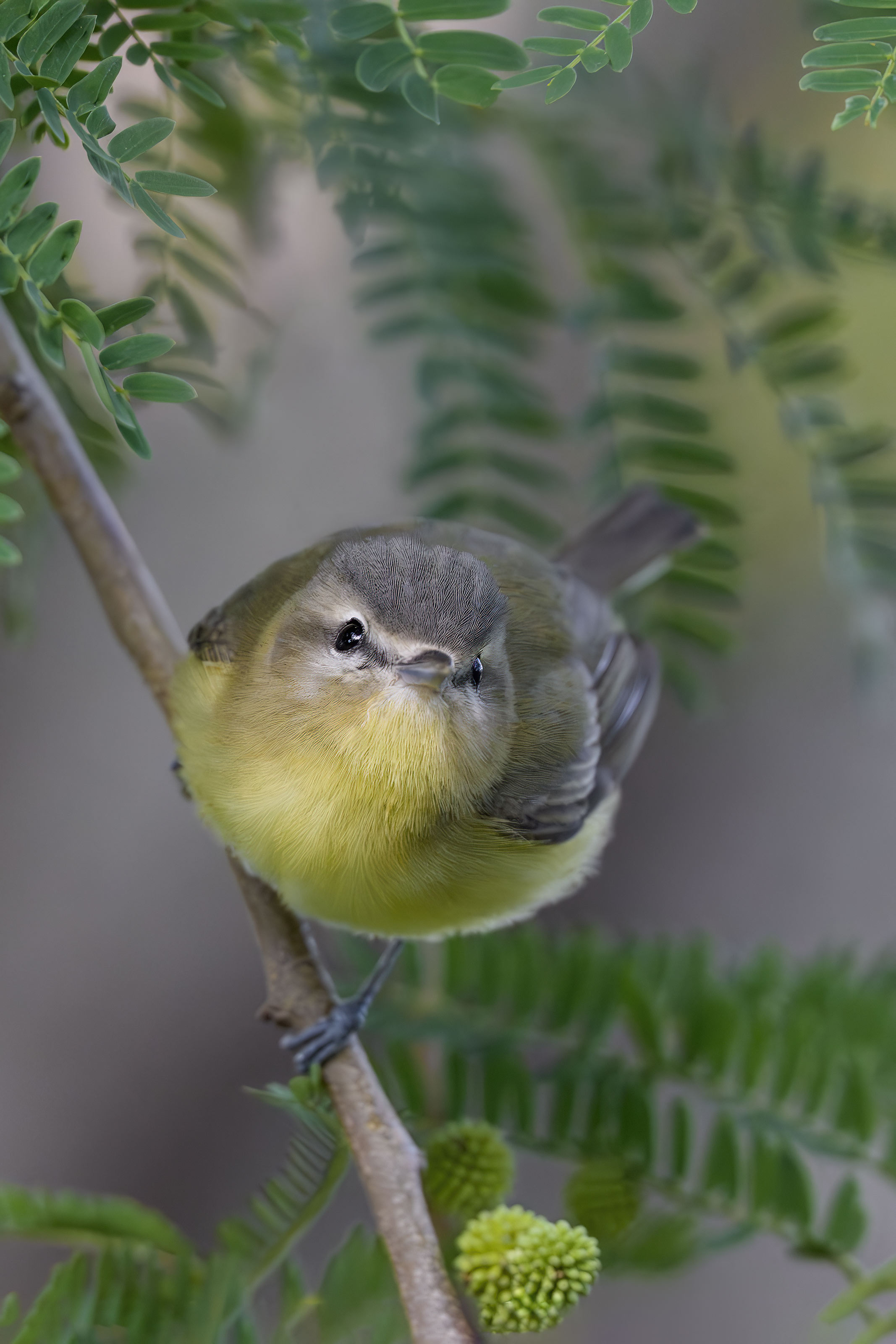
This bird remained on the same branch for nearly a minute. During that time, I photographed him in the exact same spot capturing and eating three different prey items including a small spider and two different species of beetles.
|
|
This image was created on 3 May 2026 by yours truly at the Sheepshead Preserve on South Padre Island, TX. Again, standing at full height, I used the hand held Sony FE 300mm f/2.8 GM OSS Lens (Sony E) the Sony FE 1.4x Teleconverter (at 420mm) and the Latest Greatest Sony Flagship Body, the a1 II Mirrorless Camera in APS-C Crop Mode. Exposure determined via Zebras with ISO on the Thumb Wheel. ISO 2500: 1/400 sec. at f/4 (wide open) in Manual mode. AWB at 7:21:57am on a cloudy dark morning. Tracking Zone/AF-C with Bird Eye/Face Detection enabled performed perfectly. Click on the image to enjoy a larger, inexplicably sharper high-res version. Image #5: Philadelphia Vireo |
The Sheepshead Preserve
The Sheepshead Preserve is a small plot of wooded land at the end of West Sheepshead Street that was saved from development by the Nature Conservancy. During migration, it attracts and holds large numbers of songbirds including warblers, thrushes, buntings, grosbeaks, orioles, tanagers, sparrows, hummingbirds, and woodpeckers and sapsuckers. It is often a bit easier to photograph there than at the Convention Center as there are several spots that are relatively open with some decent perches. And several of those good spots that are shaded even on sunny days.
|
|
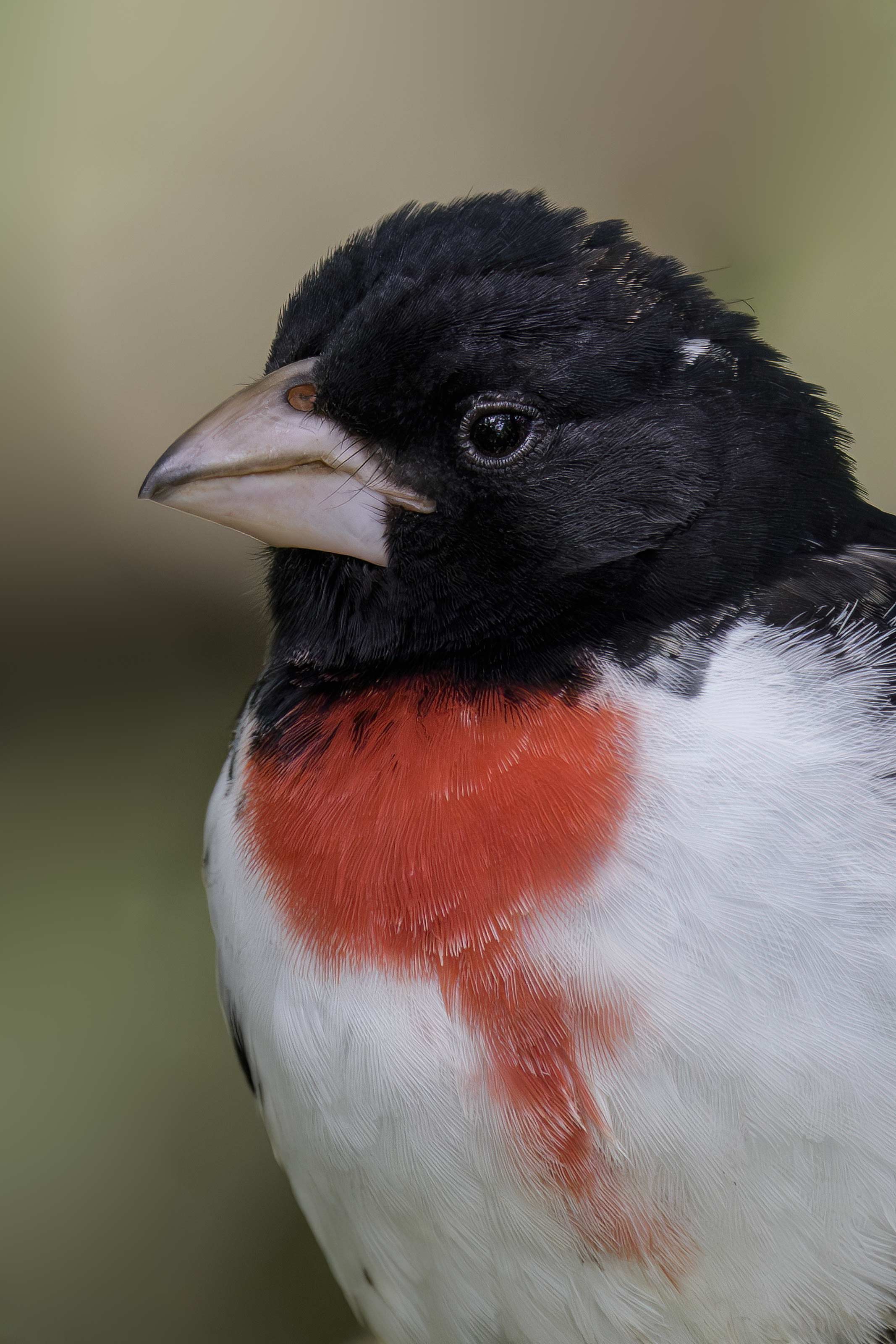
This image was created on 3 May 2026 by yours truly at the Convention Center on South Padre Island, TX. Standing at full height, I used the Robus RC-5570 Vantage Series 3 Carbon Fiber Tripod/Levered-Clamp FlexShooter Pro-mounted Sony FE 600mm f/4 GM OSS lens with the Sony FE 1.4x Teleconverter, and the Latest Greatest Sony Flagship Body, the a1 II Mirrorless Camera in APS-C Crop Mode. The exposure was determined by Zebras with Exposure Compensation (EC) on the thumb wheel. Multi Metering -0.3 stops. AUTO ISO set ISO 2500: 1/250 second at f/5.6 (wide open) in Shutter Priority mode. AWB at 10:01:24am in the shade on a sunny morning. Wide AF-C with Bird-Eye/Face Detection performed perfectly. Click on the image to enjoy a larger, inexplicably sharper high-res version. Image #6: Rose-breasted Grosbeak male tight closeup |
The Water Feature?
On the afternoon of May 2, the folks who maintain the grounds surrounding the Convention Center did a good job of clearing sight lines to the water feature near the southeastern corner of the large Convention Center building; they cut away lots of vegetation that had previously made photography there impossible. Anke and I spent the next three mornings there as many of the lingering migrants hung around to feed, bathe, or drink. Even rarities like the MacGillivray’s and Townsends Warblers show up,
Why Back to the 600 and the 1.4X TC?
Because most species of migrant songbirds are relatively small, tiny even when compared to the gulls, terns, Roseate Spoonbills, and Brown Pelicans in the bay to the northwest, I quickly realized that 840mm was the way to go. For the larger species that bathed in the pool at the top of the “stream,” I would go to full frame mode. For the warblers and vireos however, it was APS-C crop mode all the way. That had me working at an effective focal length of 1260mm, more than 25X!
|
|
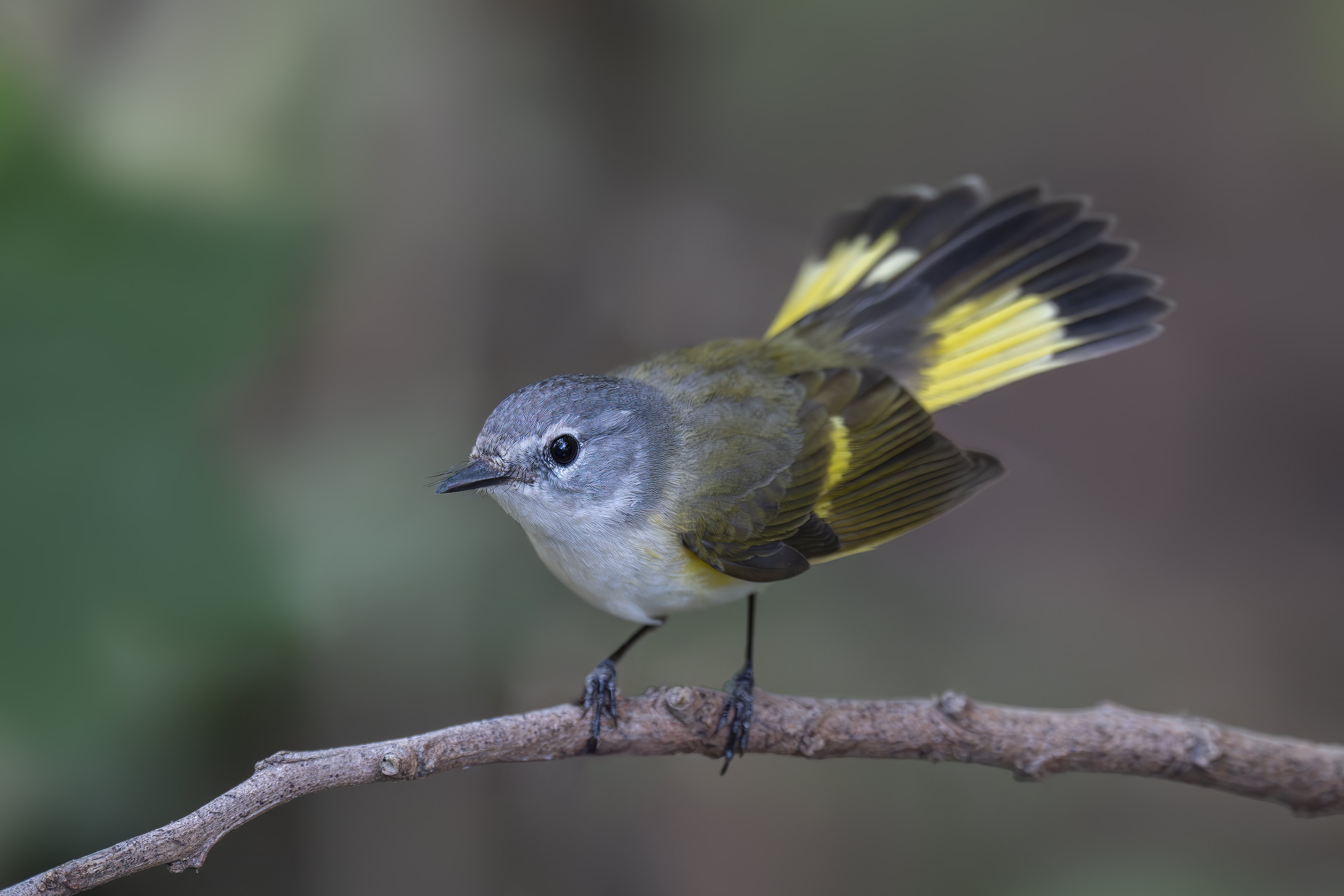
This image was created on 3 May 2026 by yours truly at the Convention Center on South Padre Island, TX. Standing at full height, I used the Robus RC-5570 Vantage Series 3 Carbon Fiber Tripod/Levered-Clamp FlexShooter Pro-mounted Sony FE 600mm f/4 GM OSS lens with the Sony FE 1.4x Teleconverter, and the Latest Greatest Sony Flagship Body, the a1 II Mirrorless Camera in APS-C Crop Mode. The exposure was determined by Zebras with Exposure Compensation (EC) on the thumb wheel. Multi Metering -0.3 stops. AUTO ISO set ISO 2500: 1/250 second at f/5.6 (wide open) in Shutter Priority mode. AWB at 10:01:24am in the shade on a sunny morning. Wide AF-C with Bird-Eye/Face Detection performed perfectly. Click on the image to enjoy a larger, inexplicably sharper high-res version. Image #7: American Redstart female with tail spread |
Why Shutter Priority?
Lighting conditions at the water feature can vary dramatically from deep shade to bright sun. I realized immediately that working in Shutter Priority Mode with AUTO ISO and Exposure Compensation (EC) on the Thumb Dial would be faster by a mile than working in Manual mode. Why? Because once I selected a workable shutter speed, the only thing I needed to adjust was the EC. And Sony’s Zebra technology always made it easy to get to the right neighborhood in what can only be described as difficult conditions for making perfect exposures.
|
|
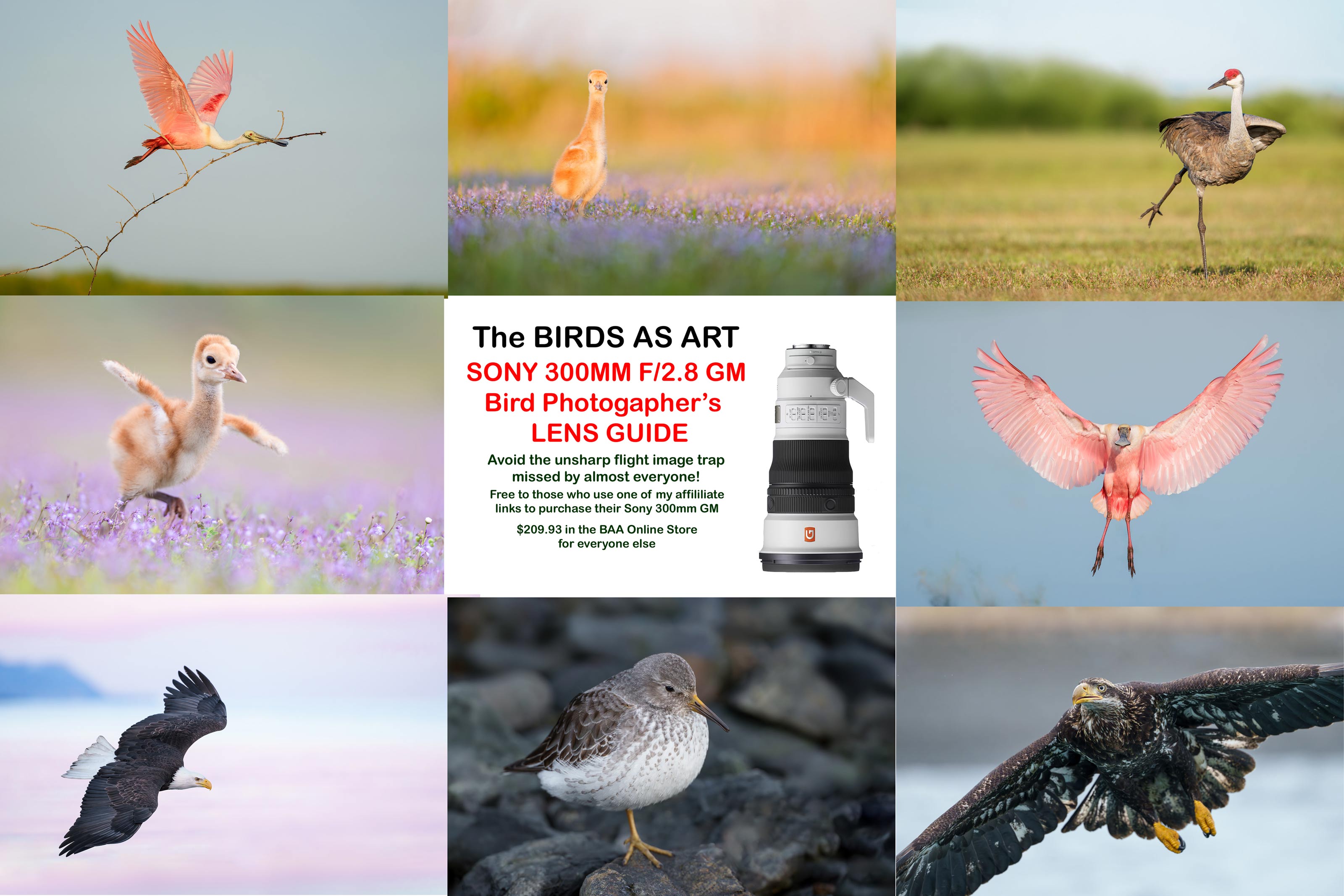
For those who did not use my link to purchase their Sony 300mm f/2.8 GM lens, you can order your a copy here for $209.93. Click on the image to enlarge and to be able to read the fine print. |
The BAA Sony 300mm f/2.8 Lens Guide
Impressed by my (or Pat’s) Sony FE 300mm f/2.8 GM OSS Lens (Sony E) images? Use either my Bedfords or B&H affiliate link to purchase your Sony 300mm f/2.8 GM lens and shoot me your receipt via e-mail and request a copy of the first-ever BAA Lens Guide. I thought that it would take only minutes to create this guide, but I was dead wrong. In the process of creating it, I learned a ton about the lens. And even better, I discovered a simple yet potentially fatal flaw that was resulting in sporadically unsharp flight images. The set-up fix is simple. Just be sure to use one of my affiliate links and get the guide for free.
If not, you can purchase a copy here for $209.93. Yes, it never hurts to use my links and it never costs you one penny more. And if you contact me via e-mail before you make a major purchase, I can often save you some money.
Typos
With all blog posts, feel free to e-mail or to leave a comment regarding any typos or errors.









#5 & #7. #5 due to the pose and looking into the camera. #7 due to the way the tail feathers are shown.
Thanks, Jim! That is the classic redstart pose. Some folks call the females “yellowstarts.”
artie
Here’s your man, Jim Flynn, Artie.
https://www.reidfuneralhome.ca/obituaries/James-Flynn?obId=24915959
Thanks, Ian!
with love, artie
Artie all the images are great. I really like the sharpness and colors of the sapsucker. My two favorites are the Philadelphia Vireo and American Redstart female. The sharpness and position of the vireo is great and the background colors adds to the image; it is my favorite. The female redstart with the tail spread is a close second, the tail spread adds color to the subject and I love the background colors. Glad the surgery went well.
Thanks on all counts, Monte.
with love, artie
Hi Artie
Maybe call Black Swamp Bird observatory and ask there. I think Kimberly Kaufman is still the director – she or her famous husband Kenn may know. BSBO puts on “The Biggest Week in American Birding” warbler festival every May.
It’s superb and yes, tons of warblers and other migrants! But also tons of birders
Great idea. Magee was a bit disappointing this year due to the early leafing of the canopy along with the late arrival of the migrants.
I doubt it as the folks at Pt. Pelee NP either never heard of him or were too lazy to ask around. I did contact two Canadian photographers who I shot with at Pelee decades ago and I am sure that they knew Jim. Neither has responded yet — on via IG one via website e-mail 🙂
I will keep trying.
with love, artie
My two favorites are #1, the sapsucker and #6 the grosbeak (neither of which I have had an opportunity to see) because of the amazing detail on both images.
Thanks, Pat. You might explore the use of APS-C as you have a fabulous 51 MP camera body 🙂
with love, a
I like #5 the best (all are wonderful) because of the unigue pose, the lighting with soft dreamy background, and the sharp face. As well as the name, since I live close to Philly, even though the name isn’t where it’s from, lol.
Like your use of APS-C. I will have to try that. Do you find it provides a sharper image than cropping in post?
Thanks, AA. Good question. The only time that APS-C would/might result in a sharper image is if you zoom out (that due to potentially less gear shake). If the focal length is the same, sharpness will by identical.
a